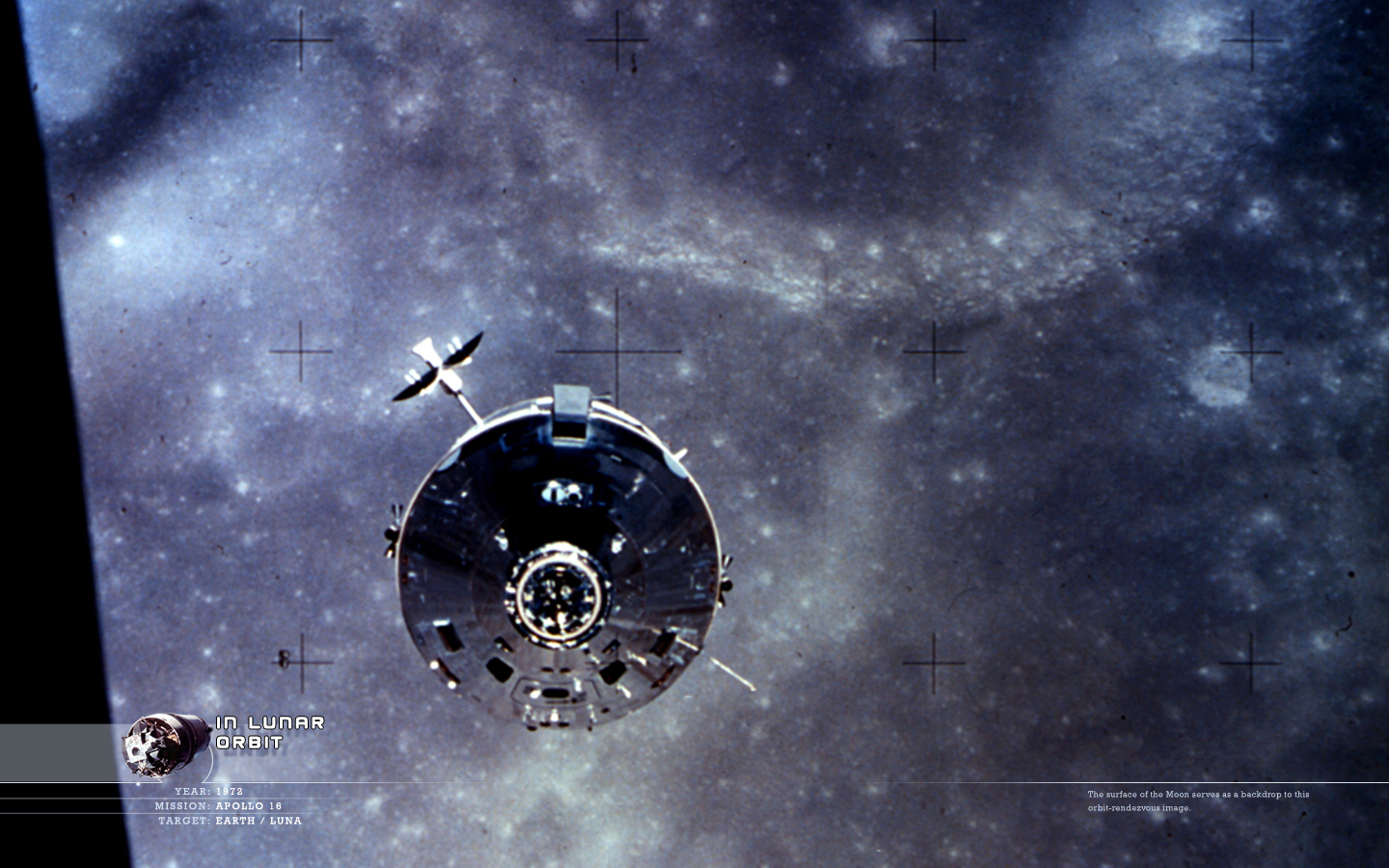
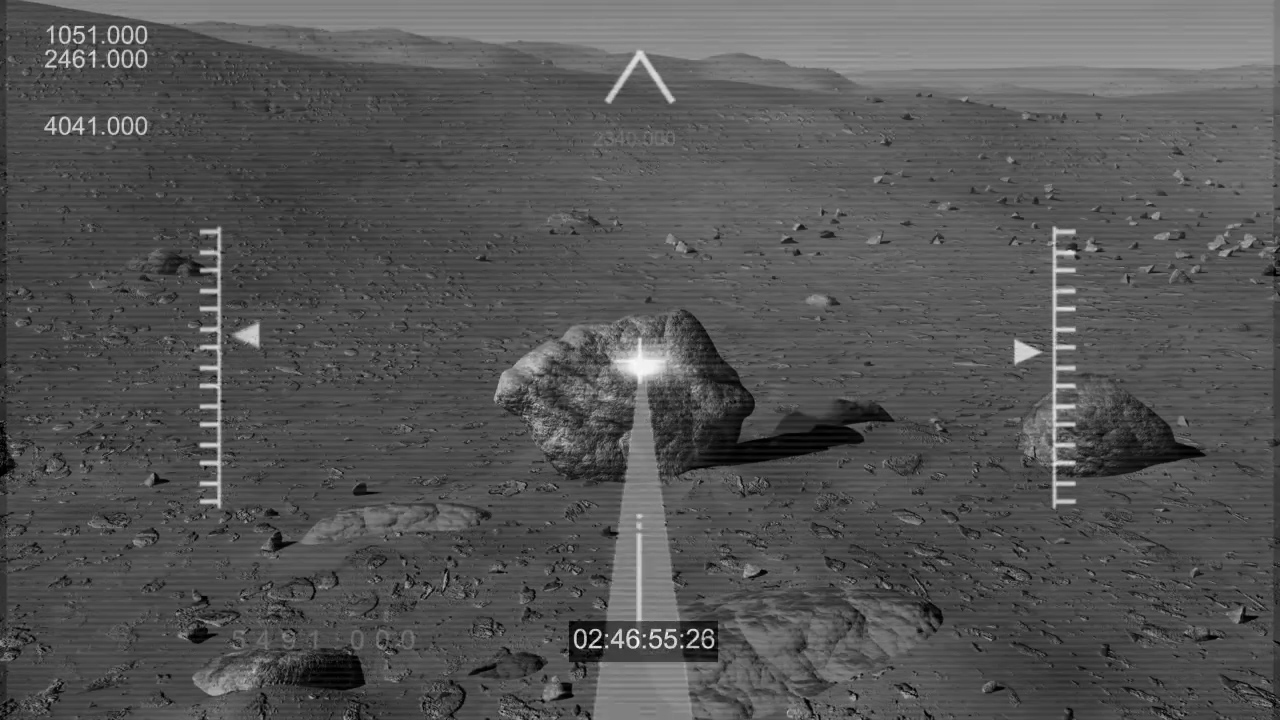
While looking at all the strange images from old Soviet moon missions on Don Mitchell’s site, I thought it would be interesting to design a set of wallpapers from these early images. I call the series “Smallsteps” as in Neil Armstrong’s famous, “One small step…” quote from Apollo 11. Obviously, there would have been no “giant leap” without a large number of these other “small steps” preceding the Apollo Program (although some of the images I have planned actually come after or during the Apollo program).

To me, the fact that the human race was even doing space exploration back then seems almost out of time — and then you look at the spacecraft that were sending back these images and it is amazing that anything really ever worked. Tin cans with cameras sending back images that were often just as bizzare and rough as the vessels that carried them. It is even more incredible when you consider that people eventually started strapping themselves to these rockets and floated around the vacuum of space in boxes wrapped with foil.
Seems appropriate enough to start the whole set off with the V2 images of Earth sent back in the shockingly early year of 1948. According the the Air and Space Museum these are the first images of the Earth taken from space in history. The image itself I suspect was just scanned from some print and the number tags and directionals are original (although there were about 17 of them and I removed a majority of them in Photoshop).
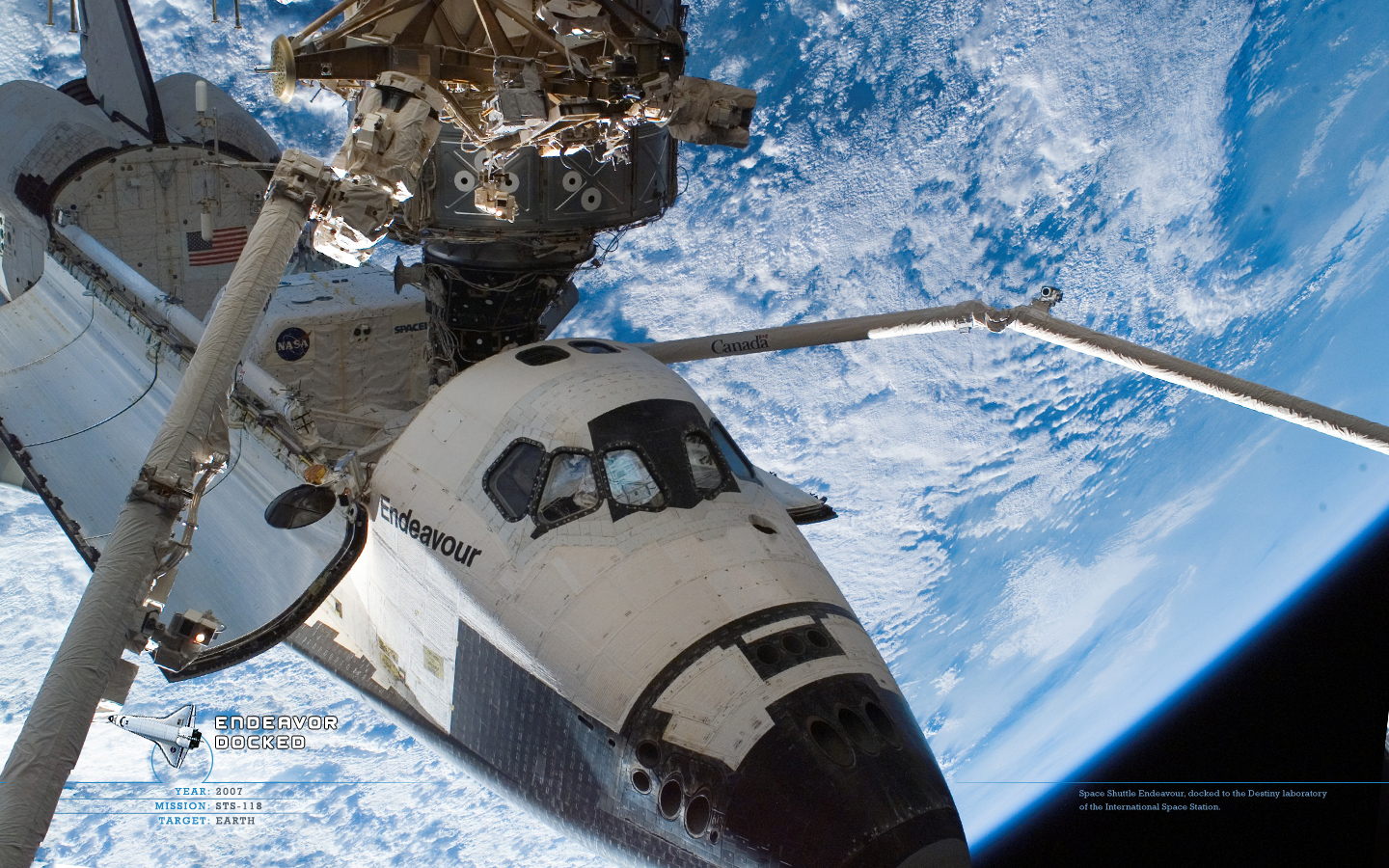
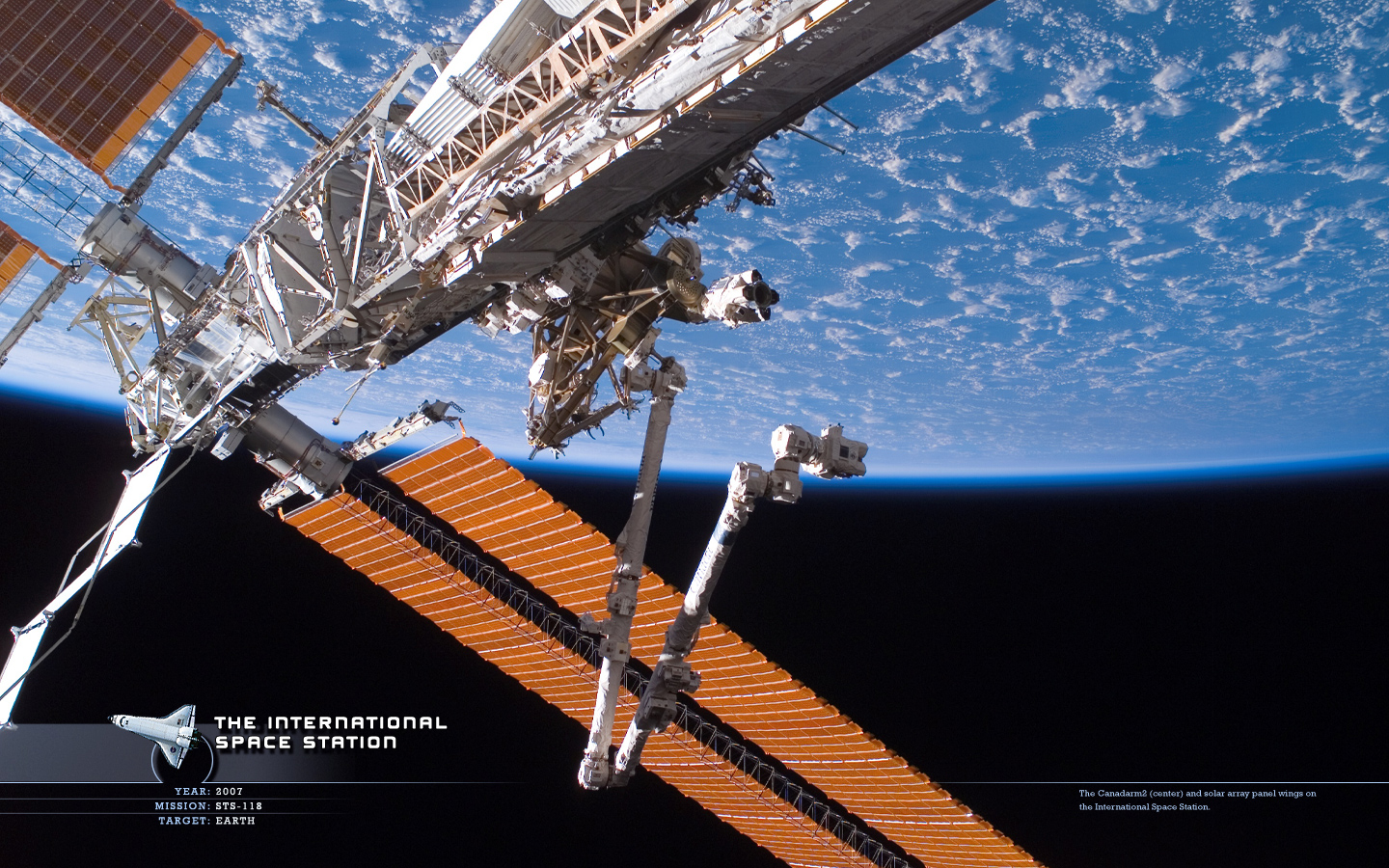
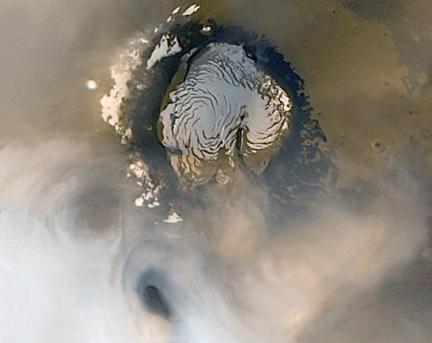 Phoenix Lander ready for launch tomorrow. Its destination is the Martian Arctic Pole, hopefully realizing the hopes of the lost Mars Polar Lander.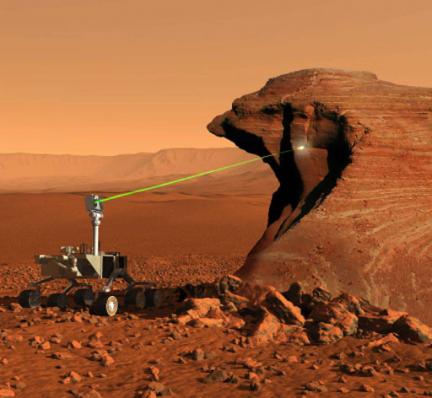

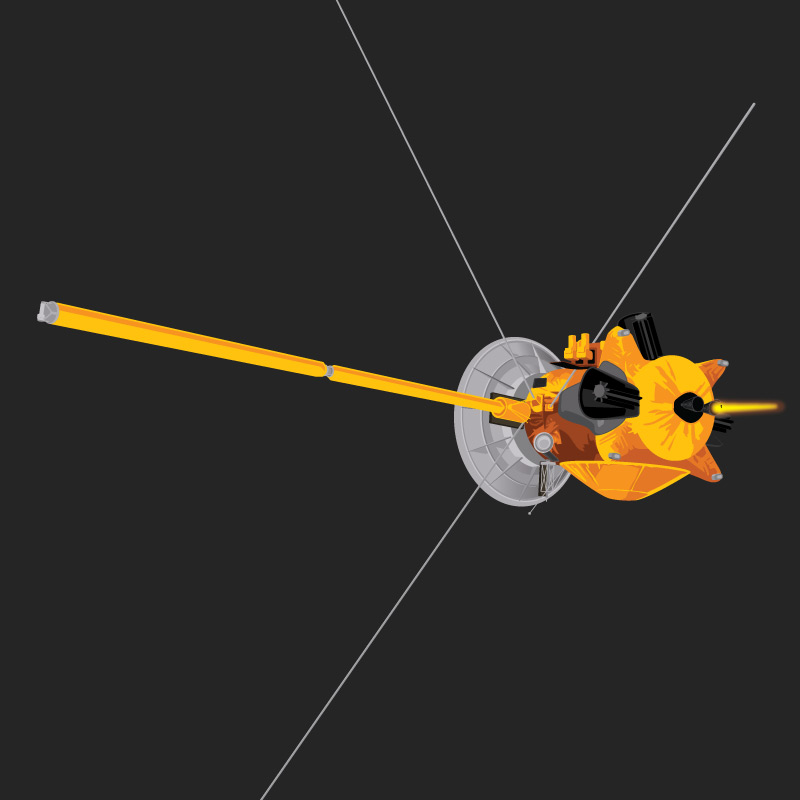
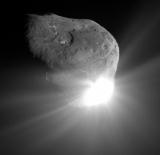 A proposal to extend the mission into Stardust-NExT suggests the spacecraft be sent on a trajectory to encounter comet

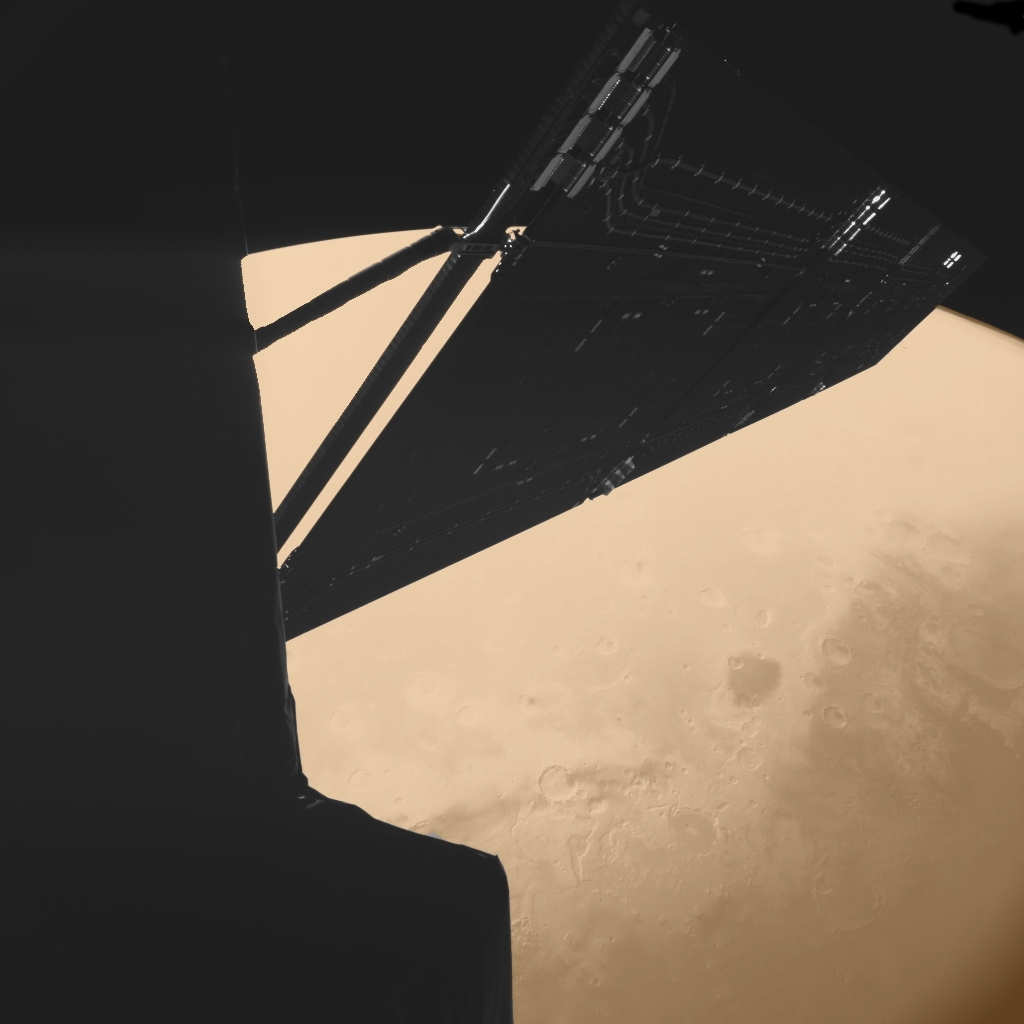
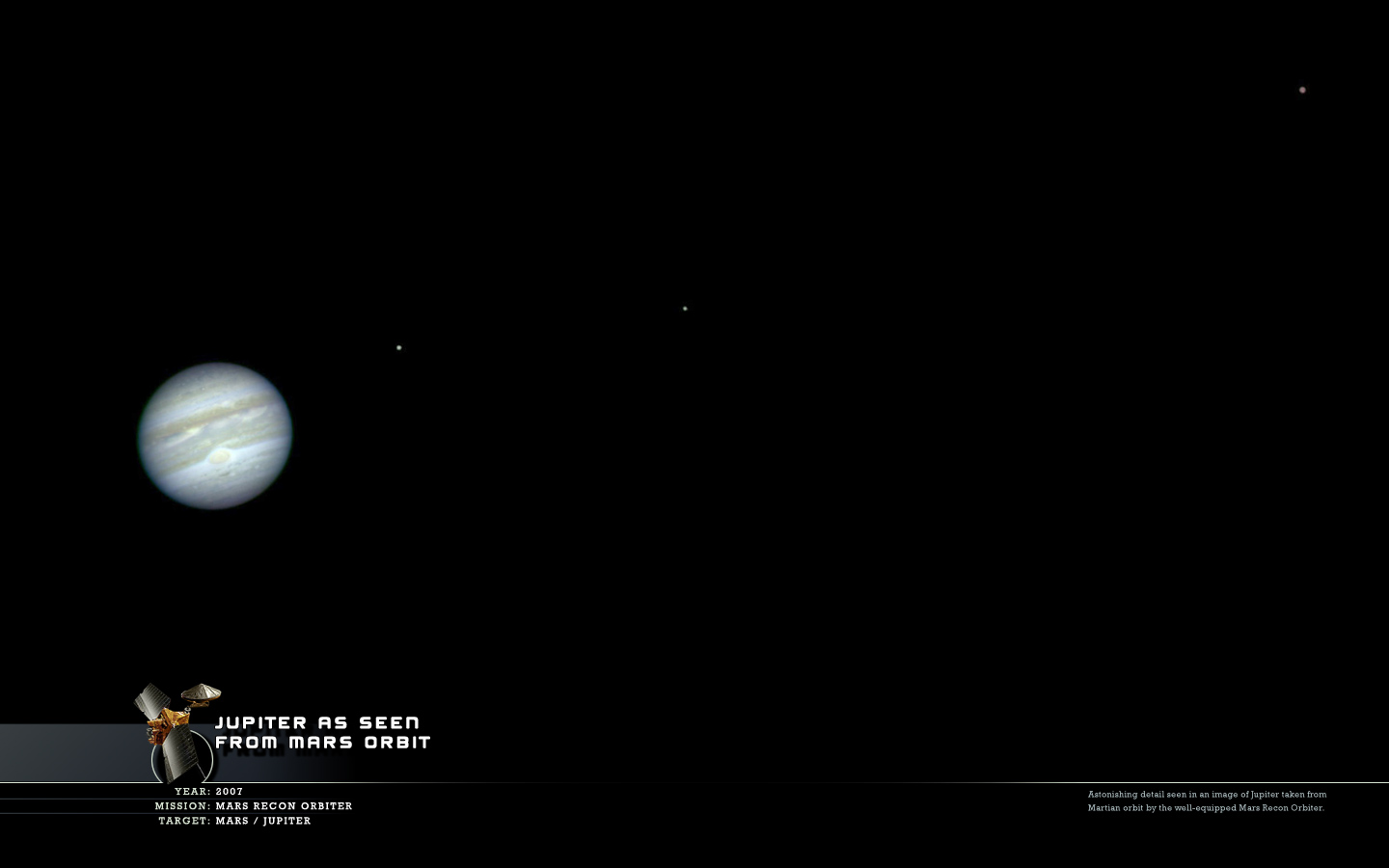
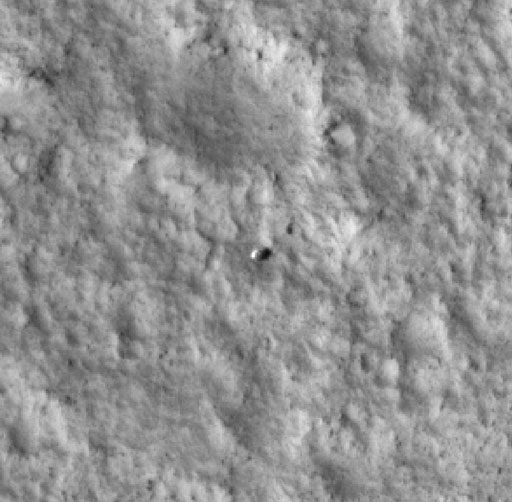
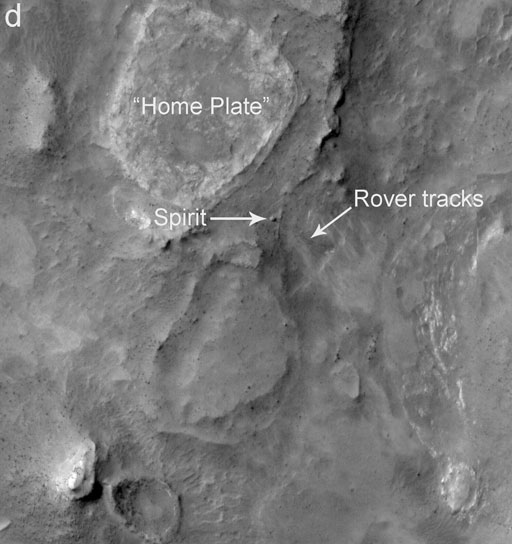
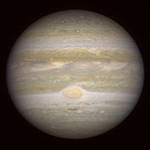 This is a great way to truly understand the capabilities of the Mars Reconnaissance Orbiter. This image of Jupiter is taken from Martian orbit which is 357 million miles away. It is comparable to the what the New Horizons is seeing as it actually approaches Jupiter, which is currently 38 million miles away. So if you were wondering how MRO can get those incredibly detailed images of rovers and landers on the surface from orbit… now you can scratch your head and wonder how it can see Jupiter as good as a probe that is actually approaching a flyby in a few weeks.